



Influence of Social Media on Public Reporting in Israel
Social media is an important tool in the modern era we live in. It significantly and intricately influences public reporting in Israel. The phenomenon of “fake news” and its influence on professional reporting in newspapers and online media is at the center of the debate.
Social media allows everyone to participate and influence public discourse in Israel. It enables everyone to publish opinions, experiences, and images and influence public opinion. Anyone can be a journalist and create content that impacts public reporting on social media.
The influence of social media on public reporting in Israel is both supportive and threatening. On one hand, it promotes democracy and openness in society; on the other hand, it may harm the credibility and quality of professional reporting by professional journalists and experienced writers.
Ultimately, the ability of social media to influence public reporting in Israel depends on the public’s ability to differentiate between true content and “fake news” and to understand the difference between them. Social media is an important tool that should be used ethically and responsibly to positively and constructively influence public reporting.
The Phenomenon of Fake News and Its Influence on News in Israel
Fake news is a common phenomenon in the digital age where false or biased reports are widespread, aiming to influence the public and create a peculiar environment around a specific topic. In Israel, the phenomenon of fake news is prevalent and influences public reporting.
The use of fake news can be particularly harmful when it comes to sensitive and important issues, such as national security and politics. Therefore, it is crucial to identify and filter out false reports to maintain the quality of public reporting and the news production process.
The influence of social media on reporting is powerful and influential
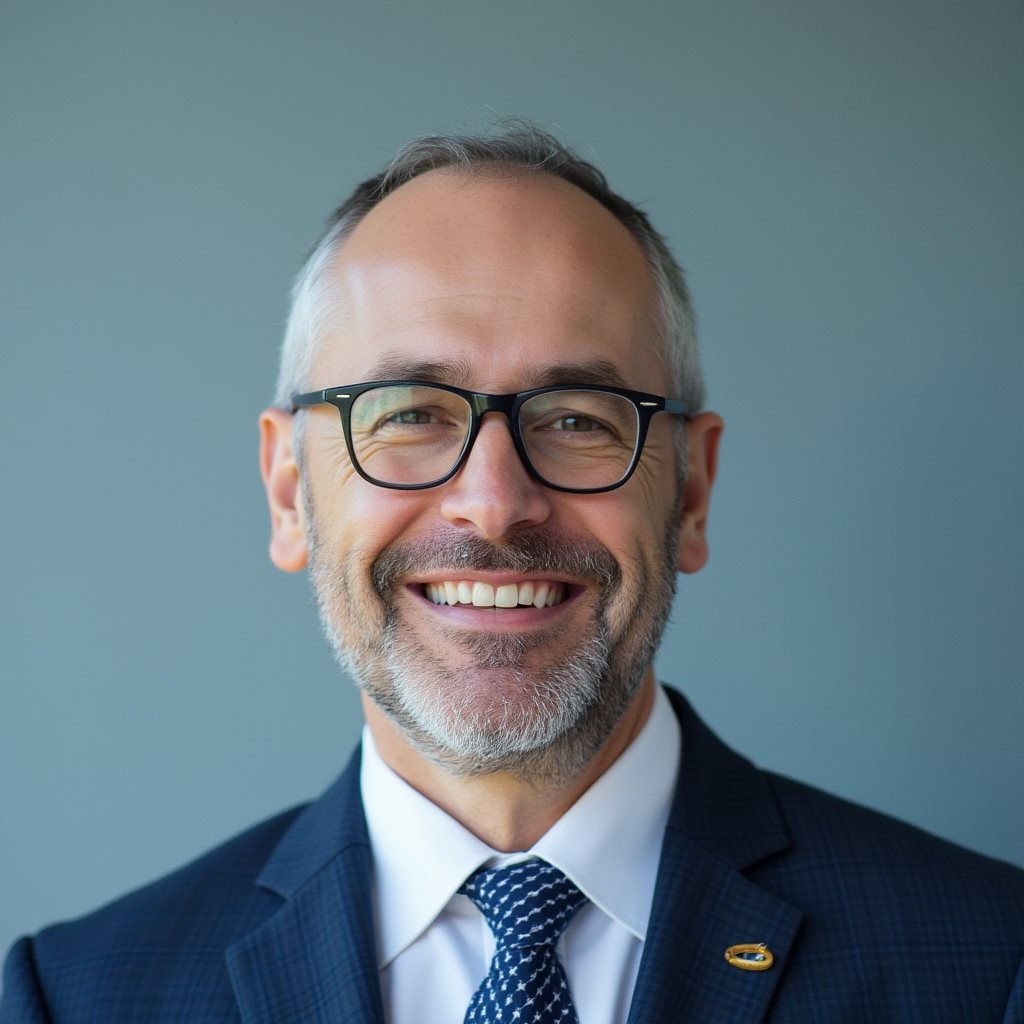
Dorit Shapira – Media Specialist
Professional and institutional bodies in Israel are focusing on combating fake news and developing tools and means to identify and filter out false reports. Additionally, the public itself needs to be critical and verify the sources of information they use to prevent the spread of fake news and maintain the credibility of the information they receive.

In the 21st century, with the rise of social networks and digital media, the phenomenon of fake news has become a widespread and severe issue worldwide. In Israel, its influence on news in the media and public reporting can be damaging and lead to distortion of public awareness and the news production process.
Read More

Truth will always precede lies
Avi Gavai – Journalist
In conclusion, the phenomenon of fake news poses a threat to the quality of public reporting and the accurate and reliable information conveyed to the public. Therefore, it is important to focus on combating fake news and act to prevent the dissemination of false information in the media and social networks.

Use of Social Networks as a Tool for Promoting Reporting in Israel
Social networks are an important tool for promoting reporting in Israel and influencing public reporting. The use of social networks is at its peak in Israel, being one of the most advanced countries in the world in utilizing social networks. This allows users to quickly and efficiently share and publish their reports.
Social networks offer a convenient and accessible platform for publishing reports, enabling the public to be involved in the reporting process and contribute to it. With tools like Facebook, Twitter, Instagram, and LinkedIn, reports can reach a wider audience and generate discussion and dialogue around them.
Using social networks provides direct access to the wider public, without relying solely on tagging and publishing in traditional media. This allows any journalist, editor, or publisher to directly reach the target audience and influence them efficiently and quickly.
Furthermore, social networks allow the public to react and influence the reporting, creating an active and engaged community. This gives the public a sense of belonging and authority, promoting democracy and transparency in Israel.
In summary, using social networks as a tool for promoting reporting in Israel is important and effective. It gives reports greater visibility and allows the public to be part of the reporting process and directly influence it. All of this ensures more democracy, transparency, and equality in Israel.
Israeli Audience Engagement on Social Networks and Its Influence on Public Reporting in Israel
Social media has become an essential tool in the modern era, and Israel is no exception. Israeli audience engagement on social networks significantly contributes to the influence of social media on public reporting in Israel.
Social networks provide a portal for expressions and opinions of the wider audience, allowing ordinary people to influence public reporting in ways not seen before. In Israel, reports influence a diverse political background and struggle to maintain objectivity and neutrality. However, workers’ rights struggles utilize social networks as a tool to promote central public discussions and convey key messages to the general public.
The role of social networks in Israeli reporting focuses on their ability to disseminate information quickly and efficiently. As a result, they influence public trends and the reports presented in the Israeli media. Additionally, social networks allow the wider audience to participate in public discussions and express their opinions on various topics.
Despite the advantages of social networks, there are also challenges. Their influence on public reporting can be double-edged and sometimes lead to reality distortion. Control and supervision over the reporting process in Israel lies in the hands of the public, so it is important to understand the influence of social networks and act accordingly.
In conclusion, Israeli audience engagement on social networks significantly influences public reporting in Israel. Therefore, it is important to understand how social networks operate and act fairly and responsibly to maintain the quality and objectivity of reporting.
Challenges and Opportunities in Dealing with the Influence of Social Media on Reporting in Israel
Social media has become a significant tool in the digital age, and in Israel no less. In the last decade, the ways in which people communicate, share, and invest time in social networks have changed. This directly impacts public reporting and communication processes in the State of Israel.
One of the major challenges is the spread of fake news and misleading information through social networks. It is evident how easily fake posts and articles are disseminated and influence public discussions. Social media becomes a stable tool in the hands of the public for creating public awareness and spreading truth.
However, there are also numerous opportunities in using social media as part of public reporting. Social networks provide open forums for discussions and collaboration between the public and professional media. This allows for the promotion of relevant discussions and the engagement of society in meaningful and constructive public dialogue.
Social media influences public behavior and opinion
Rachel Azar – Media Publicist
To address the influence of social media on reporting in Israel, it is important to develop innovative tools for identifying and filtering out false information. Additionally, professional media must be open and available for collaboration and dialogue with the wider public.

In conclusion, it is essential to identify the challenges and opportunities arising from the influence of social media on reporting in Israel and to act accordingly to improve the public communication process and strengthen democracy in the State of Israel.